How Safe Are Fotona Laser Treatments?
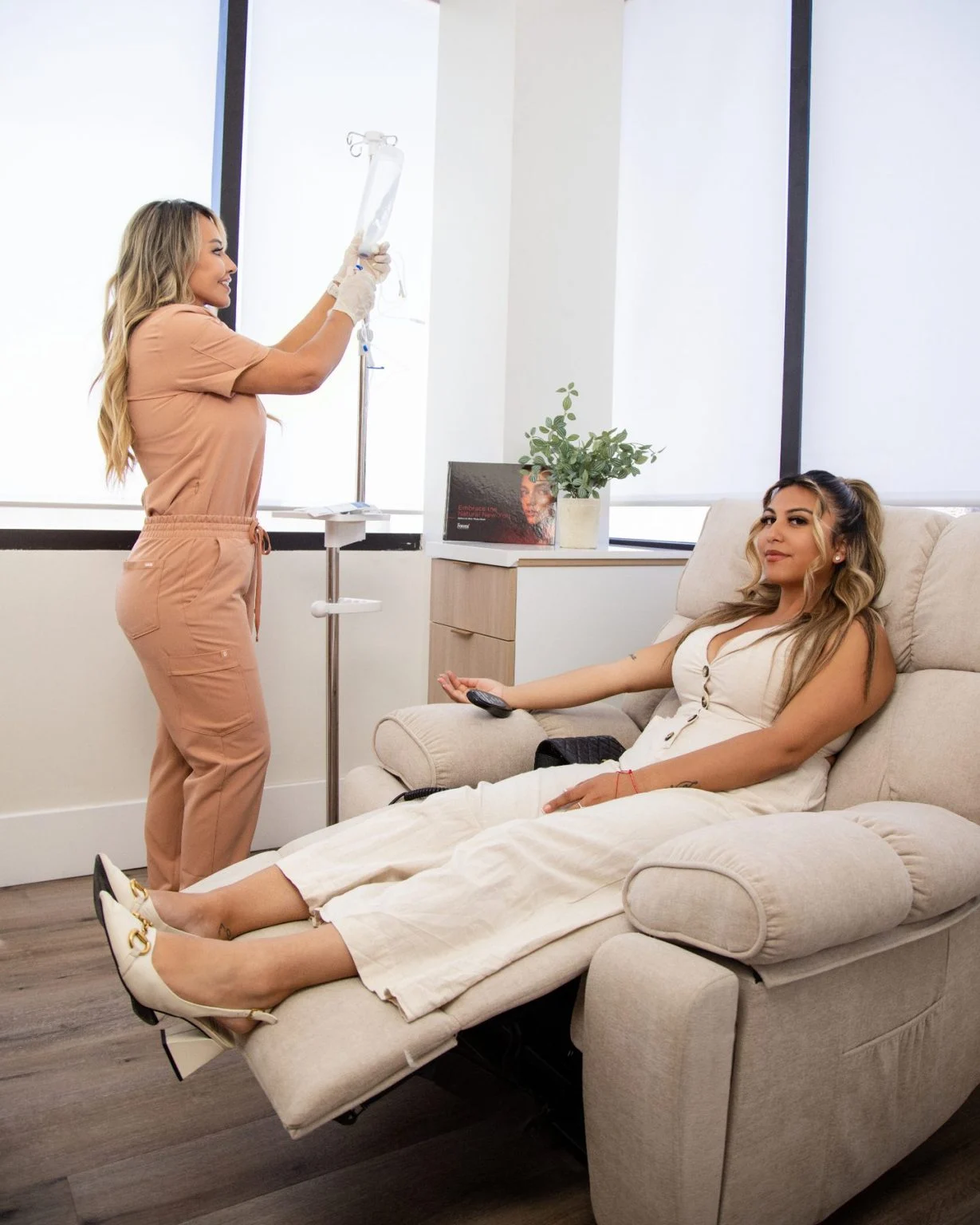
Safety is usually the first serious question people ask about lasers, and it should be. Not because lasers are inherently alarming, but because the word covers a wide range of devices, treatment settings, operator skill levels, and patient expectations. A gentle lunchtime resurfacing session and an aggressive ablative treatment can both be called “laser,” yet their risk profiles are very different.
Fotona sits in an interesting position within that conversation. The brand is widely used in aesthetic and medical practices for skin rejuvenation, scar revision, pigmentation concerns, vascular lesions, acne, hair removal in some settings, gynecologic indications, snoring-related airway treatments, and more, depending on the exact platform and handpiece. When people ask whether Fotona Laser Treatments are safe, the honest answer is yes, generally, when the treatment is appropriate, the device is correctly selected, and the clinician is well trained. The less comfortable part of the answer is that “safe” never means risk-free.
What matters most is not the marketing language around the machine. It is the combination of patient selection, diagnosis, treatment parameters, skin type, aftercare, and restraint. Good laser medicine is often defined as much by what the practitioner chooses not to do as by what they do.
What Fotona actually is, and why that matters for safety
Fotona is not a single treatment. It is a family of laser platforms, commonly using Er:YAG and Nd:YAG wavelengths, sometimes alone and sometimes in combination protocols. Those wavelengths behave differently in tissue.
Er:YAG is strongly absorbed by water, which makes it useful for precise ablation and resurfacing. In plain terms, it can remove very fine layers of skin with tight control, especially in experienced hands. That precision is one reason many clinicians like it for texture, fine lines, certain scars, and controlled resurfacing.
Nd:YAG penetrates more deeply and interacts differently with blood vessels and dermal structures. It is often used for tightening, vascular work, deeper heating, and non-ablative approaches.
This distinction matters because safety depends on what the laser is designed to target. A laser that is excellent for one concern can be the wrong tool for another. Trouble often starts when a patient hears “Fotona” and assumes every Fotona treatment has the same downtime, discomfort, and risk profile. They do not.
A non-ablative tightening session is a different experience from an ablative resurfacing treatment around the mouth. A treatment for redness behaves differently from one intended to improve acne scars. Safety conversations should be specific to the indication and settings, not just the brand name.
The short answer on safety
In well-run clinics, Fotona Laser Treatments have a solid safety reputation. Complications are uncommon when protocols are followed carefully. That said, adverse events can happen, and they tend to fall into a few predictable categories: burns, blistering, prolonged redness, post-inflammatory hyperpigmentation, hypopigmentation, infection, scarring, delayed healing, and disappointing or uneven results.
Most of those complications are preventable. A smaller subset is unavoidable even with excellent care, because biology varies. Skin does not read consent forms. Two patients with similar concerns can heal very differently.
From a practical standpoint, the safest treatments usually share the same features. The diagnosis is correct. The clinician understands the device deeply. The settings are matched to the patient’s skin type and medical history. The patient follows aftercare. No one chases unrealistic results in one session.
Why operator skill changes everything
A laser platform can be excellent and still produce poor outcomes if used carelessly. This is one of the least glamorous parts of the safety conversation, but it is the most important.
The machine does not make the diagnosis. It does not evaluate whether your melasma is stable, whether your tan increases your risk of pigment change, whether your history of cold sores calls for antiviral prophylaxis, or whether your rosacea-prone skin is likely to stay red for weeks. The person holding the handpiece makes those judgments.
Experienced laser clinicians tend to think in layers and thresholds. They ask how much heat the tissue can safely tolerate, what endpoint they want to see, and how the skin usually behaves after a similar treatment. They also know when to stop. Overtreatment is a recurring cause of complications, especially when a patient wants dramatic results quickly and the practitioner feels pressure to deliver.
One pattern seen across cosmetic medicine is that complications often come not from the device itself, but from aggressive treatment stacked on top of poor candidacy. A patient with a fresh tan, a history of pigmentation after minor irritation, and inconsistent sunscreen use can still be treated, in some cases, but only with a much more conservative plan. The safest operator is not the one who always says yes. It is the one who is comfortable saying not yet, not this setting, or not this treatment.
Skin type is not a minor detail
If you have darker skin, safety planning becomes even more important. That does not mean Fotona lasers are off limits. It means the margin for error can be narrower, especially with treatments that create more heat or visible injury in the epidermis.
The main concern in medium to deep skin tones is often post-inflammatory hyperpigmentation, which is darkening that appears after inflammation or injury. Even when the treatment is technically done well, the skin can respond by producing excess pigment. In lighter skin tones, redness may be the more common nuisance. In darker skin tones, pigment change can become the longer-lasting problem.
This is where conservative treatment design matters. Sometimes lower settings, more sessions, pre-treatment skin conditioning, and strict sun avoidance produce better outcomes than one stronger session. That may feel slower, but slower is often safer, and safer frequently ends up being more effective over the full course of care.
The same logic applies to patients with melasma. Heat can aggravate melasma, even when a treatment is not overtly damaging. That does not mean every patient with melasma should never have laser treatment, but it does mean caution is warranted. Many seasoned clinicians become very selective about which energy-based treatments they recommend in that group.
Common side effects versus true complications
One reason patients get nervous after laser treatment is that normal recovery can look dramatic. Swelling, redness, warmth, a rough “sandpaper” feel, pinpoint crusting, temporary darkening of pigmented spots, and mild sensitivity are often expected, depending on the treatment. These are side effects, not necessarily signs of injury.
The line between a side effect and a complication usually depends on severity, duration, and whether healing is following the expected course. A few days of redness after a light resurfacing session is one thing. Redness that intensifies unexpectedly, accompanied by pain, oozing, or spreading irritation, is another.
Ablative treatments naturally carry more downtime and more visible healing. Non-ablative treatments usually have a gentler recovery, but “gentler” does not mean impossible to overdo. Deep thermal treatments can still trigger swelling, prolonged tenderness, or pigment issues if poorly calibrated.
Patients often do better when the clinic explains normal healing in plain language. For example, around the eyes, swelling can peak the morning after treatment and look worse before it improves. On the upper lip, resurfacing may sting more and heal more slowly than a cheek treatment. If nobody explains those details, people may mistake a normal recovery for a dangerous one, or worse, dismiss an early complication because they assume every reaction is standard.
The areas of the body that deserve extra caution
Some treatment zones are less forgiving than others. The neck, chest, and hands often heal differently from the face. The skin can be thinner, the blood supply may differ, and the cosmetic consequences of a textural change can be frustratingly visible. The lower eyelid area also requires careful judgment because the skin is delicate and prone to swelling.
Scars are another special category. Treating acne scars or surgical scars with Fotona Laser Treatments can be very effective, but scar tissue behaves differently from unaffected skin. It may absorb energy unevenly, and the treatment plan may need repeated adjustments. Patients with a tendency toward hypertrophic scarring or keloids require an especially careful approach.
Recent sun exposure complicates almost everything. Tanned skin does not just change the surface color. It changes how the skin may respond to energy. Many preventable pigment complications start with a patient who spent the weekend outdoors and did not consider that relevant enough to mention.
Who should pause or avoid treatment
There is no single universal exclusion list, because the exact treatment matters, but some situations should trigger caution or postponement. Active skin infection in the treatment area is an obvious one. So is a current herpes simplex outbreak if the lips or perioral skin will be treated. Certain photosensitizing medications raise concern. Recent isotretinoin use used to be treated more rigidly as a contraindication for many resurfacing procedures, though current thinking is more nuanced than it once was. Even so, it is still something a responsible clinician should https://ameblo.jp/beckettkvox160/entry-12978267171.html review carefully rather than wave away.
Pregnancy policies vary by clinic and indication, but many elective cosmetic laser treatments are deferred simply because there is little reason to introduce uncertainty when postponement is easy. A history of abnormal wound healing, uncontrolled diabetes, autoimmune skin conditions, recent peels, compromised barrier function, or a pattern of poor compliance with aftercare all deserve serious attention.
A consultation should feel thorough, not rushed. If the screening is superficial, the treatment may be too.
The most important questions to ask before booking
A good consultation is often the best predictor of a safe outcome. Patients do not need to become laser physicists, but they should know enough to judge whether the clinic is careful.
Ask these five questions, and pay attention to how specifically they are answered:
- Which Fotona wavelength or protocol are you recommending for my concern, and why this one?
- What are the realistic benefits, and how many sessions do patients like me usually need?
- What side effects are expected, and what complications do you personally watch for in my skin type?
- Who performs the treatment, what training do they have, and how often do they treat this indication?
- What should I do before and after treatment to lower risk?
Vague answers are a warning sign. So is any claim that the treatment is completely safe, has zero downtime, or works equally well for everyone.
How aftercare influences safety more than most people realize
Many patients think the hard part is over once they leave the clinic. In reality, aftercare can determine whether a technically good procedure heals beautifully or becomes an avoidable problem.
Skin that has been heated or resurfaced is vulnerable. It loses moisture easily, reacts more sharply to irritants, and can pigment if exposed to heat and ultraviolet light. The first week, and sometimes longer, matters. Harsh actives, scrubs, gym heat, steam rooms, direct sun, picking, and “just trying one new serum” can sabotage recovery.
The practical instructions are usually simple:
- cleanse gently
- keep the skin moisturized as directed
- protect it from sun and heat
- avoid irritating products until cleared
- contact the clinic early if healing seems off
That may sound basic, but it is where many complications are born or prevented. I have seen otherwise careful patients trigger prolonged irritation with exfoliating acids far too soon because their skin “looked fine” on day three. I have also seen excellent recoveries after fairly intensive treatments because patients followed instructions with almost boring discipline.
Pain, anesthesia, and comfort, the overlooked safety layer
Comfort is not separate from safety. It is part of it. If a treatment is painful enough that a patient flinches, pulls away, or cannot tolerate full passes, precision suffers. Cooling methods, topical anesthetics when appropriate, and proper pacing help maintain consistent treatment quality.
That said, stronger numbing is not automatically better. Some clinicians prefer to avoid certain topical anesthetics in specific settings, particularly if there are concerns about skin blanching, sensitivity, or altered treatment endpoints. The right comfort strategy depends on the treatment depth and area.
Patients should know that discomfort varies widely. Non-ablative sessions may feel like brief snapping heat or a rubber-band flick. Ablative resurfacing can be significantly more intense, even with numbing. Post-treatment warmth can feel a bit like a sunburn for several hours. These details do not just set expectations. They help patients distinguish normal sensations from warning signs.
What a responsible clinic looks like
You can often tell within ten minutes whether a clinic takes laser safety seriously. The signs are rarely flashy. They are procedural.
Protective eyewear is used correctly. The consultation includes medication history, skin type assessment, and recent sun exposure. Consent is specific to the actual treatment. Photography is standardized. Test spots are considered when useful. The provider discusses both benefits and downsides without being defensive or evasive.
The environment matters too. A reputable practice has protocols for infection control, emergency preparedness, and post-treatment follow-up. If a patient develops an unexpected blister, pigment shift, or delayed healing response, the clinic should have a clear plan rather than a vague reassurance that “it’s probably normal.”
One of the strongest trust signals is moderation. When a clinic pushes combinations of multiple aggressive procedures in a single visit without a strong clinical reason, caution is wise. Sometimes combination therapy makes sense. Sometimes it is simply too much inflammation packaged as efficiency.
Are Fotona Laser Treatments safer than other lasers?
That question sounds straightforward, but it is difficult to answer in a blanket way because it compares a brand family with an entire universe of technologies. There is no single laser that is safest for everything.
Fotona devices are generally well regarded because they offer versatility and, in skilled hands, good control over tissue effects. Er:YAG technology in particular is appreciated for precise ablation with less collateral thermal damage than some older resurfacing approaches. That precision can translate into favorable healing profiles for selected patients. Nd:YAG applications can also be very effective and safe when matched appropriately to the target and skin type.
But safety is always relative to use case. A well-chosen alternative laser in expert hands may be safer for a specific condition than a poorly chosen Fotona protocol. Conversely, a Fotona treatment may be the safer option when a different laser would create more heat or more epidermal disruption than the patient can comfortably tolerate.
The smart question is not “Which brand is safest?” It is “Which device and protocol are safest for my problem, my skin, and my goals?”
What results look like when safety comes first
Patients sometimes worry that a conservative plan means watered-down results. Often the opposite is true. Skin that heals cleanly, without prolonged inflammation or pigment disruption, is far more likely to show the improvements everyone wants to see: smoother texture, more even tone, softer lines, reduced scar visibility, and better overall skin quality.
This is especially true over a series of sessions. The best laser outcomes often accumulate. They are built session by session, with adjustments based on response. Safe medicine is iterative. It pays attention. It does not confuse aggression with excellence.
If there is one consistent theme across years of laser practice, it is this: the safest treatment is usually the one designed for the long game. Not the strongest pass the skin can survive today, but the most thoughtful plan the skin can benefit from over time.
The bottom line patients should remember
Fotona Laser Treatments are generally safe when they are performed for the right reason, on the right patient, with the right settings, by a trained clinician who understands both the technology and the biology of healing. They are not magic, and they are not risk-free. The biggest dangers usually come from poor assessment, overly aggressive treatment, disregard for skin type, recent tanning, or weak aftercare.
If you are considering treatment, choose the provider first and the device second. Ask specific questions. Be honest about medications, pigmentation history, sun exposure, and previous reactions. Respect the recovery period. And if a plan sounds too effortless, too universal, or too good to need nuance, step back.
Laser safety rarely depends on one dramatic decision. More often, it is the product of many small, careful ones made well.
OMNIA Wellness Center
Address: 16430 Ventura Blvd Ste 207, Encino, CA 91436
Phone number: +18183868511
FAQ About Fotona Laser Treatments
What is a Fotona laser good for?
A Fotona Laser system is a versatile, dual-wavelength medical laser used primarily for non-surgical skin tightening, anti-aging rejuvenation, and dermatological treatments.
How much does the Fotona laser cost?
The cost of a Fotona laser depends heavily on whether you are looking to purchase a laser machine for a medical practice or are a patient seeking a laser treatment at a medspa.
Is a Fotona laser worth it?
A Fotona laser treatment is generally worth it if you want non-surgical skin tightening, improved texture, and collagen stimulation with very little downtime.